Everyone who applies mehndi beautifully started with wobbly lines on paper. The trick is the order: get the cone right, practise a handful of strokes until they're even, then put them together into small designs. Most people can do a neat simple design within a week or two of practice.
1. Get the paste and the cone right
Good lines come from paste that flows evenly and a cone with a small, clean tip. Make your own: it's cheaper, the stain is better, and you'll understand why your lines go wrong. See how to make a mehndi cone.
How to hold it: like a pen, a little above the tip, with the cone resting at about 45°. The other hand gently squeezes the top. Keep the tip just above the paper, not pressed into it.
2. Practise the basic strokes on paper
Spend 10 to 15 minutes a day on these, in this order. Aim for even thickness, not speed.
- Dots, in rows: the same size every time.
- Straight and curved lines: move your whole hand, not just your fingers.
- S-curves and spirals: the start of vines and swirls.
- Teardrops and petals: press, then lift as you pull away.
- Leaves: two curves that meet in a point, with a line down the middle.
- Paisley (keri): the teardrop shape at the heart of most Indian and Arabic designs.
Once these are even, combine them: a dot with five petals is a flower; petals and leaves along an S-curve are a vine (bel).
3. Your first designs
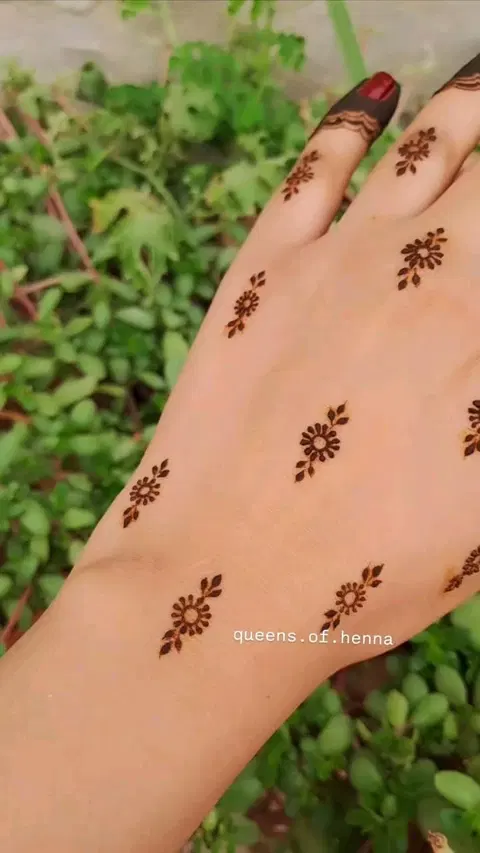
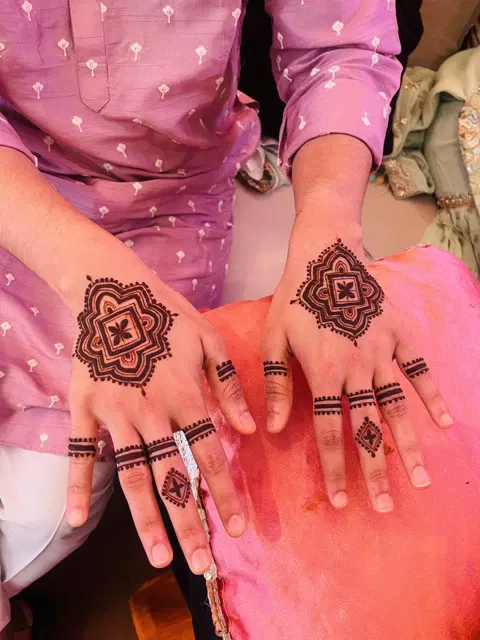
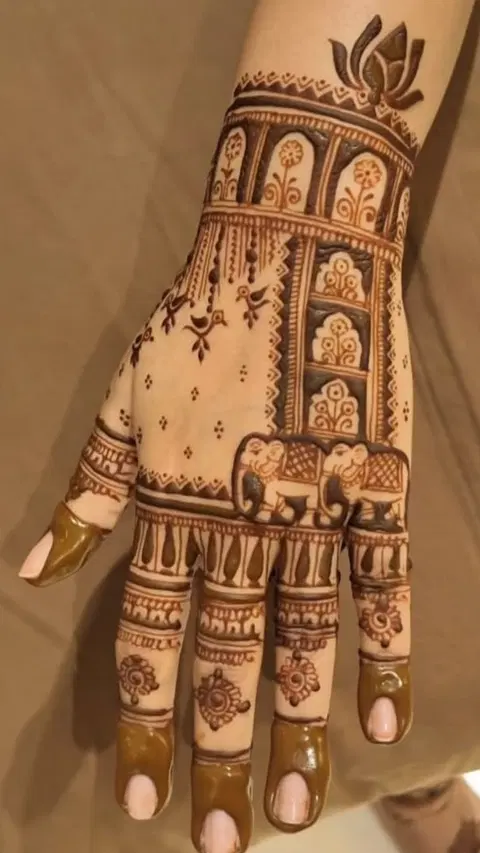
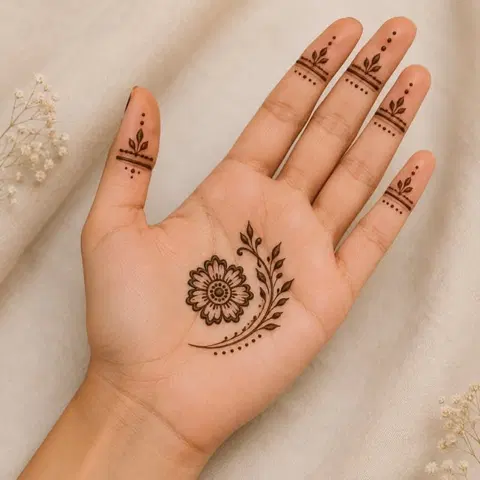
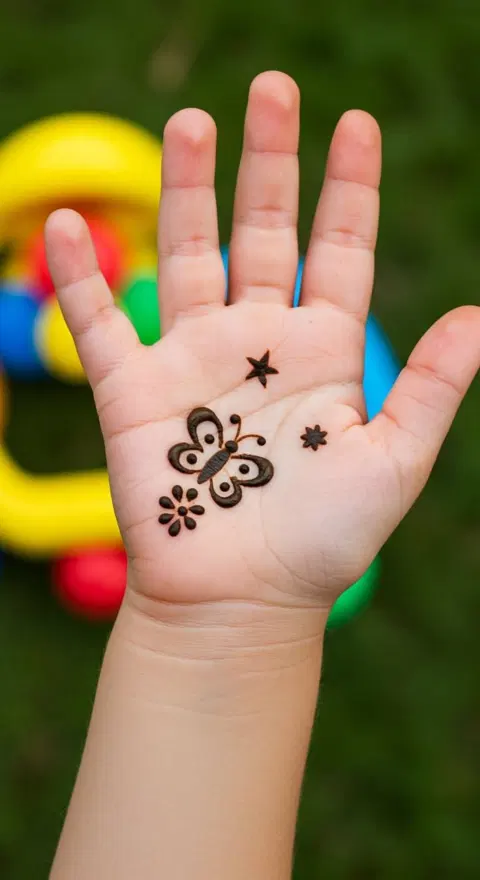
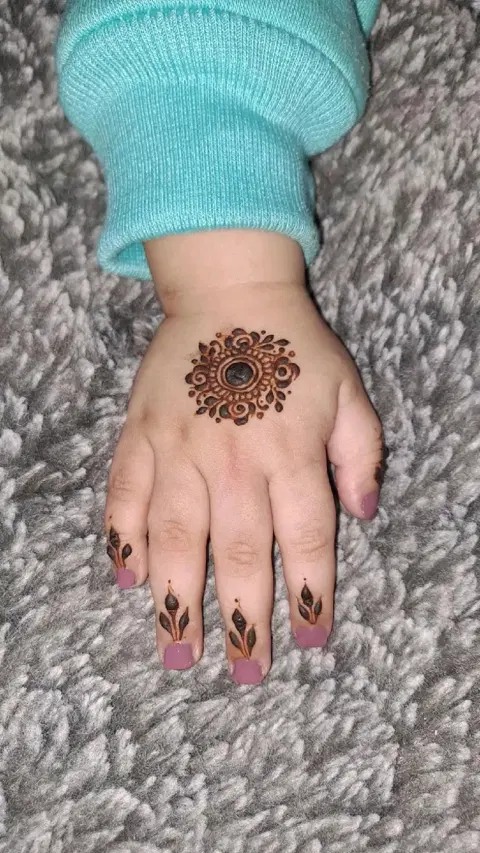
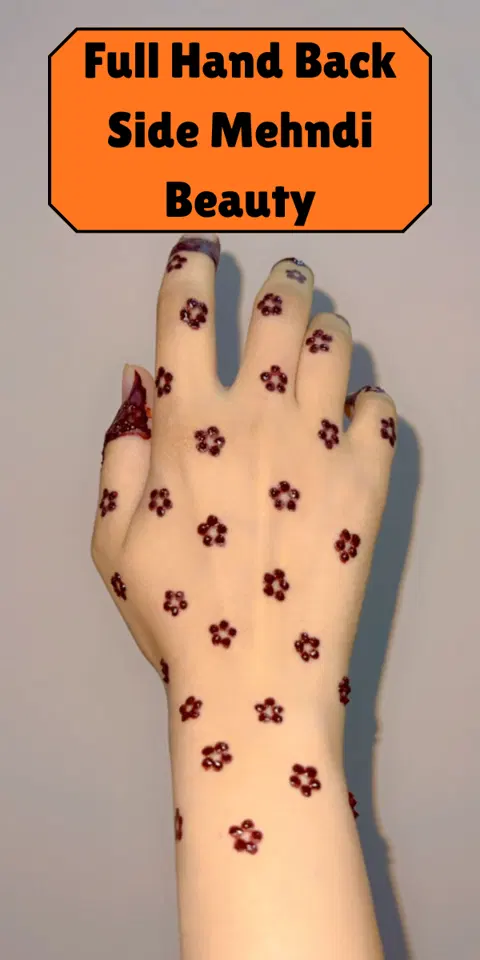
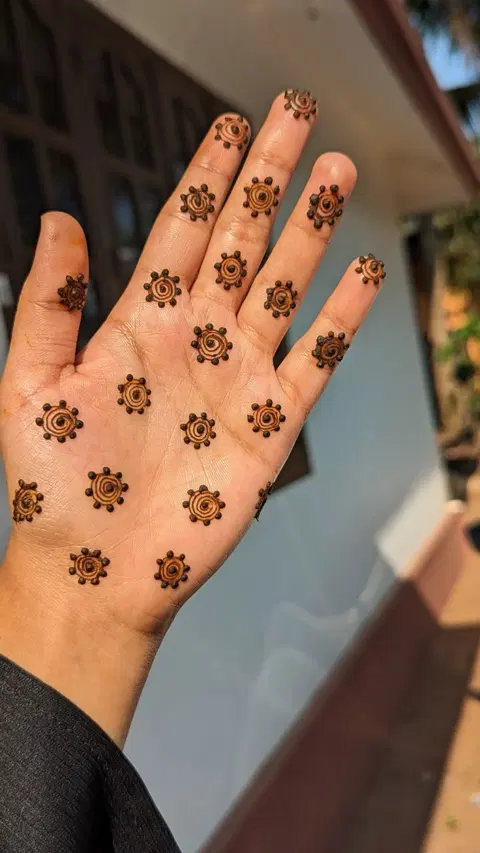
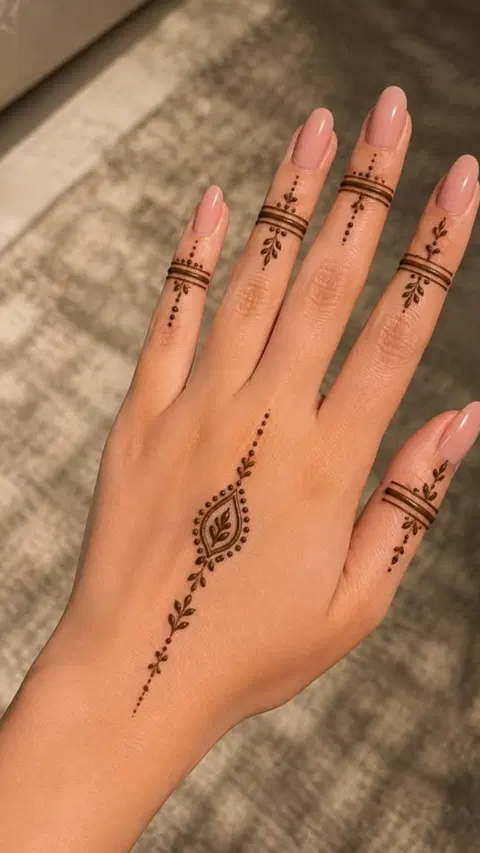
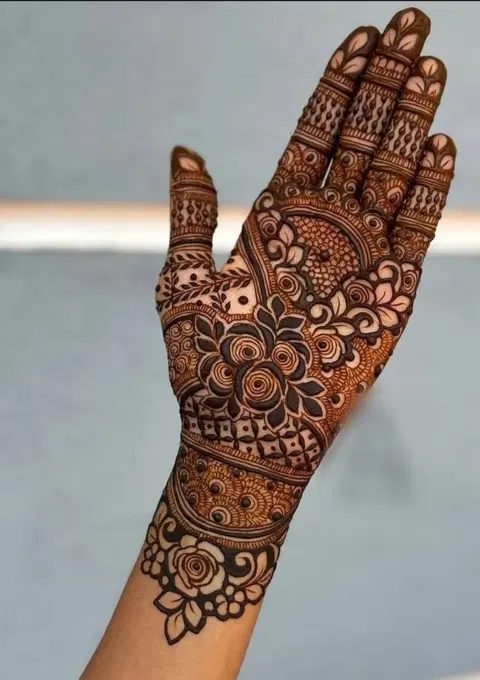
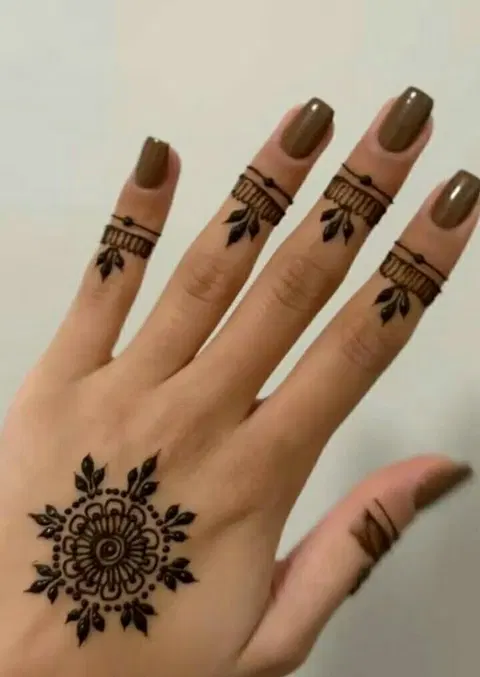
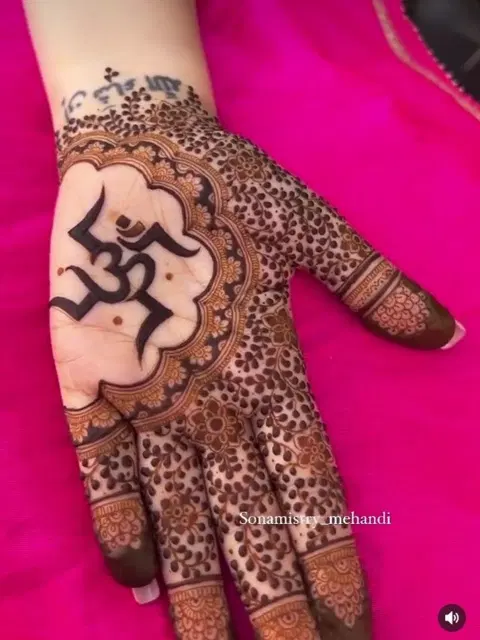
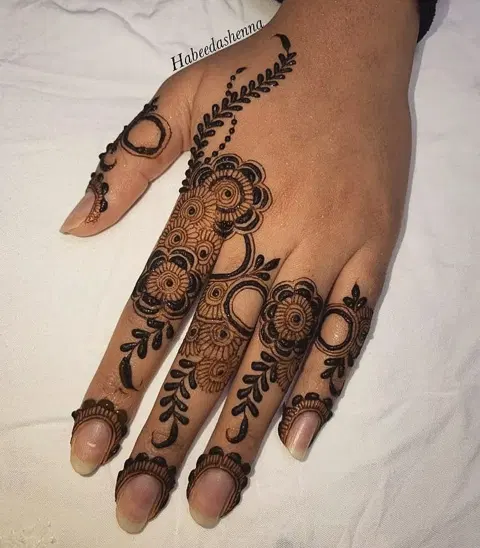
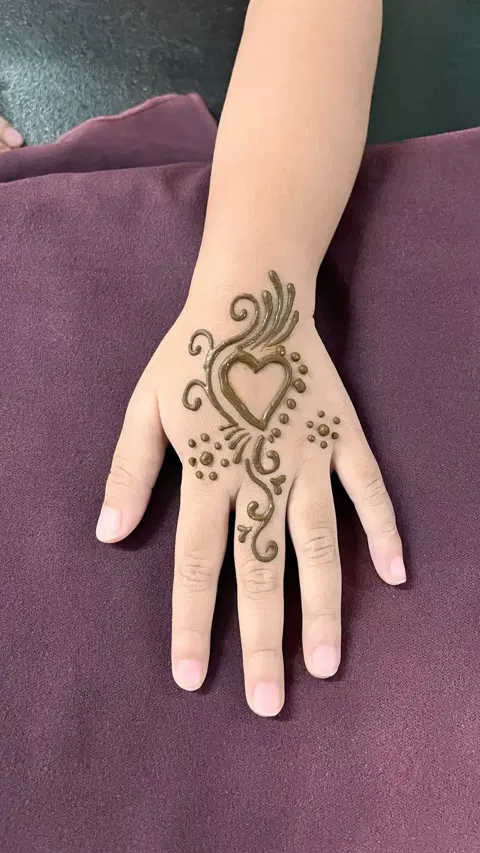
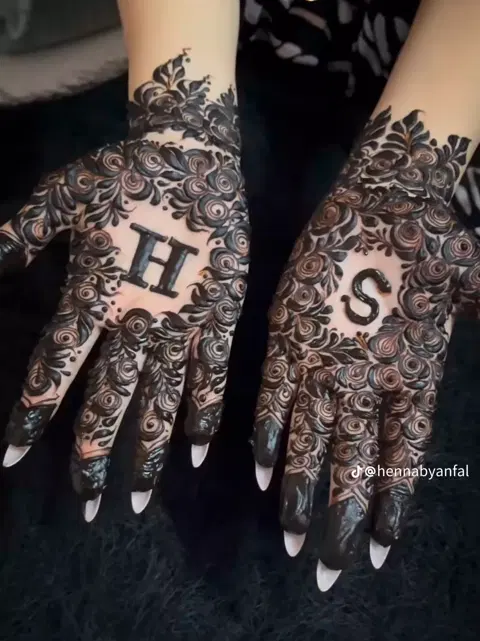
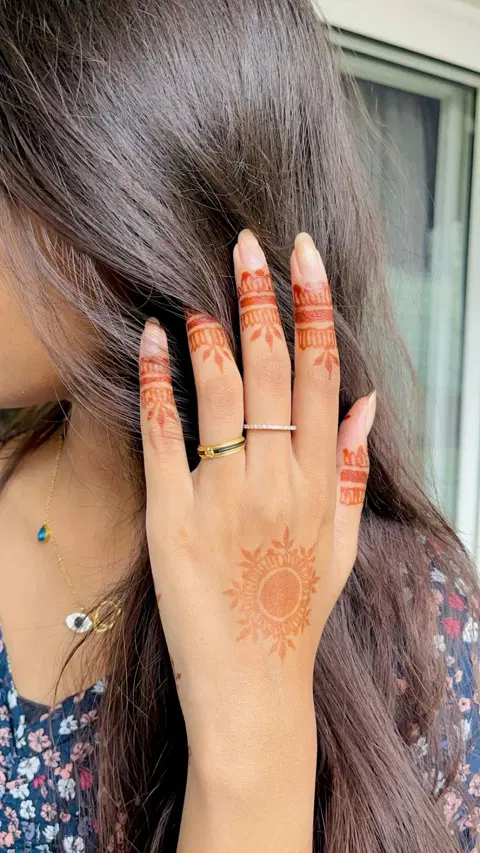
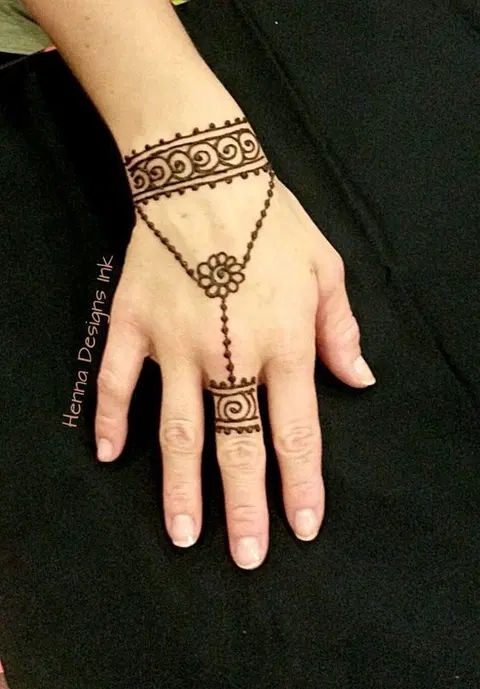
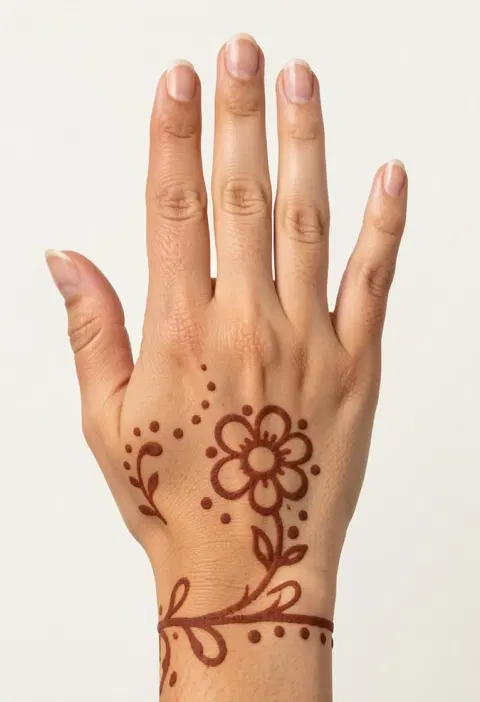
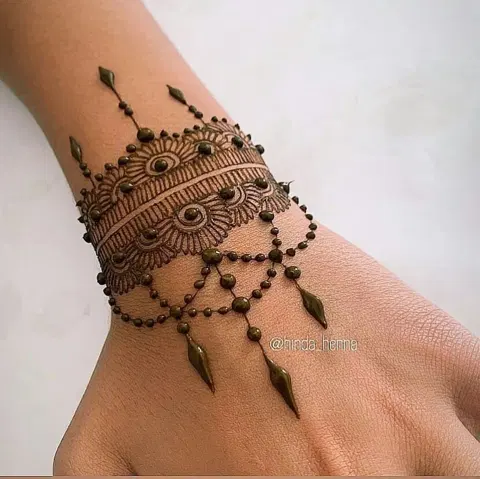
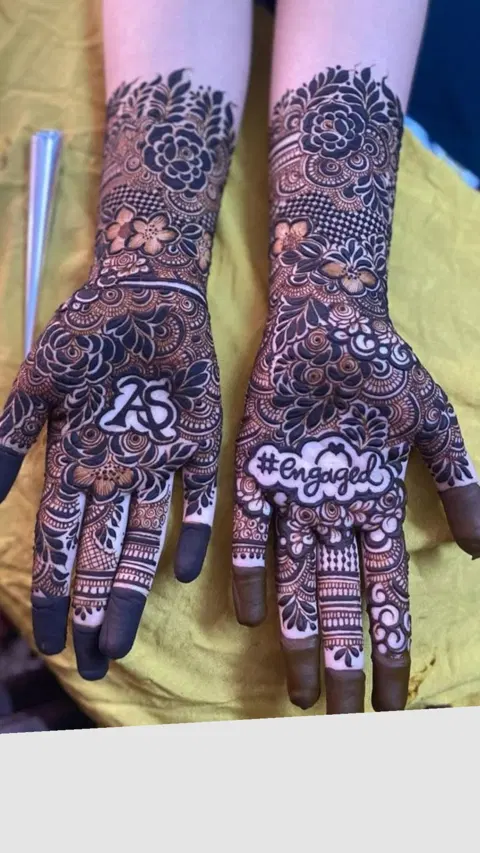
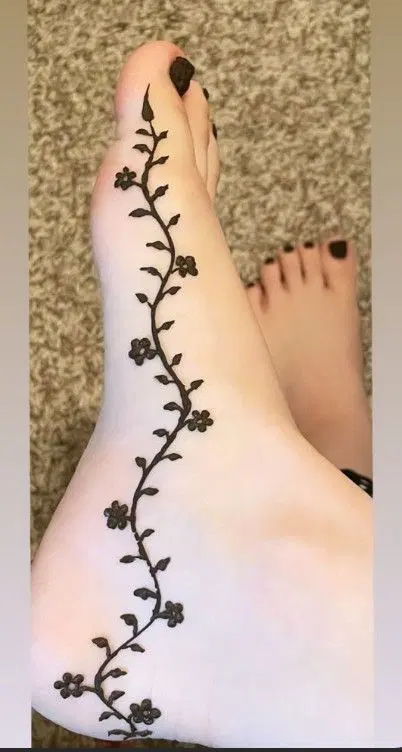
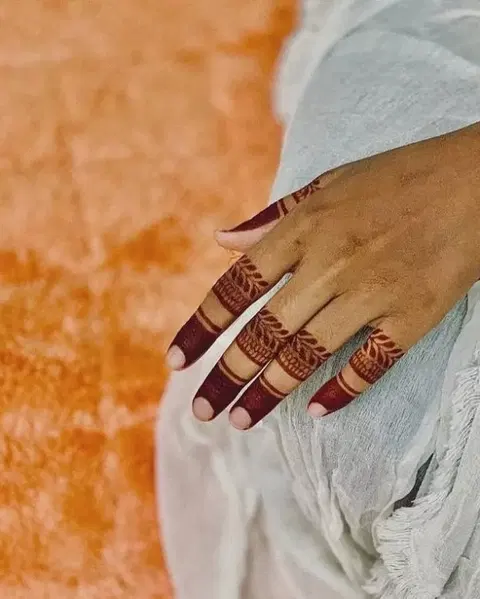
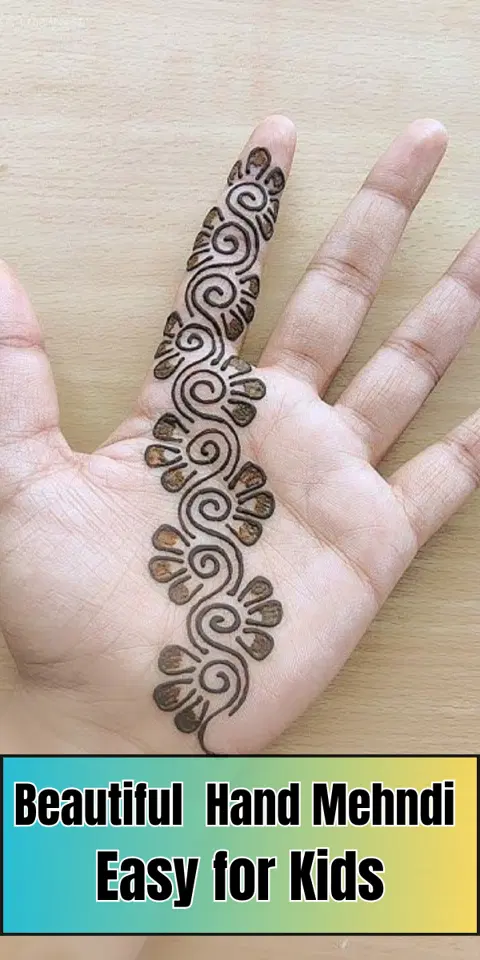
Start with designs that have few elements and plenty of open skin: a mandala in the palm, a single flower trail, finger patterns. Below are the easiest designs on the site, sorted by how long they take.
Easiest designs to start with
See all of them →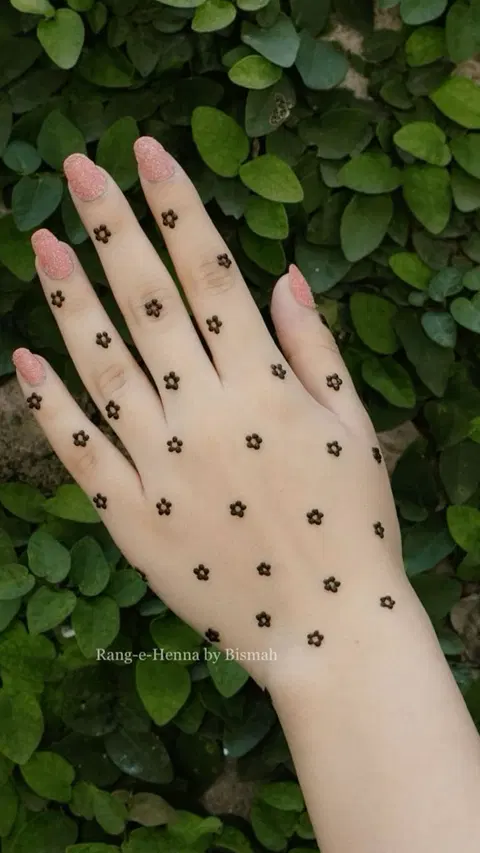
4. Watch, then copy
Watching a skilled artist's hand is the fastest way to learn rhythm and pressure. These tutorials are chosen for beginners:
Tutorial
Tutorial
Tutorial
Tutorial
Tutorial
Tutorial
5. Move to your own hand
When your lines on paper are even, try your non-writing hand, then a friend's. Keep the paste on overnight to see how your work looks once the colour develops: see how to make mehndi dark and how long to keep mehndi on.
Safety first: use natural henna only. See is black henna safe.
Written by the mehndidesign.online team. Something wrong or missing? Tell us.